


.jpg?language=en)
Duration: January 2024 – March 2026
Investment: £1,976,618
Current spend: £1,050,903
Forecast SROI: £45
Birmingham is ranked seven on England’s indices of deprivation, thus was a good place to start the DAWS project to help patients leaving hospital.
Pressures on the NHS continue, with huge demands on hospital services and GP’s seeing a record number of patients. With more and more people suffering with ill health, both physical and mental, due to living in poverty.
Many people are being forced to stay in hospital due to unfit living conditions at home, for example having no working fridge or microwave (a patient cannot be discharged for ongoing care at home if they do not have these working appliances). The NHS does not have the funding to offer the extra layers of support patients require once they have left care, this is where DAWS come in.
We’ve provided £1.7m of funding to Birmingham Community HealthCare (BCHC) NHS Foundation Trust Charity to set up a new team to support the project. Together they work with patients and the community across Birmingham.
Patients are referred into DAWS through many routes including clinics, wards and clinicians.
The team offer free advice on carbon monoxide (CO), the Priority Services Register (PSR), energy efficiency, income maximisation and general health. Free CO alarms are available for those that need them along with heated blankets, food and fuel vouchers for those in crisis.
Customers who can self-serve are made aware of the IE hub, an online tool to help with budgeting and debt, but also have referral pathways to Citizens Advice Warwickshire, another of our partners.
Patients who cannot afford to have their gas appliances serviced can also benefit from a free gas safety check through our Services Beyond the Meter (SBtM) programme, and if eligible can receive a repair or replacement of their appliance. This project offers a full wrap around service for the most vulnerable customers living in one of the most deprived areas of the UK.
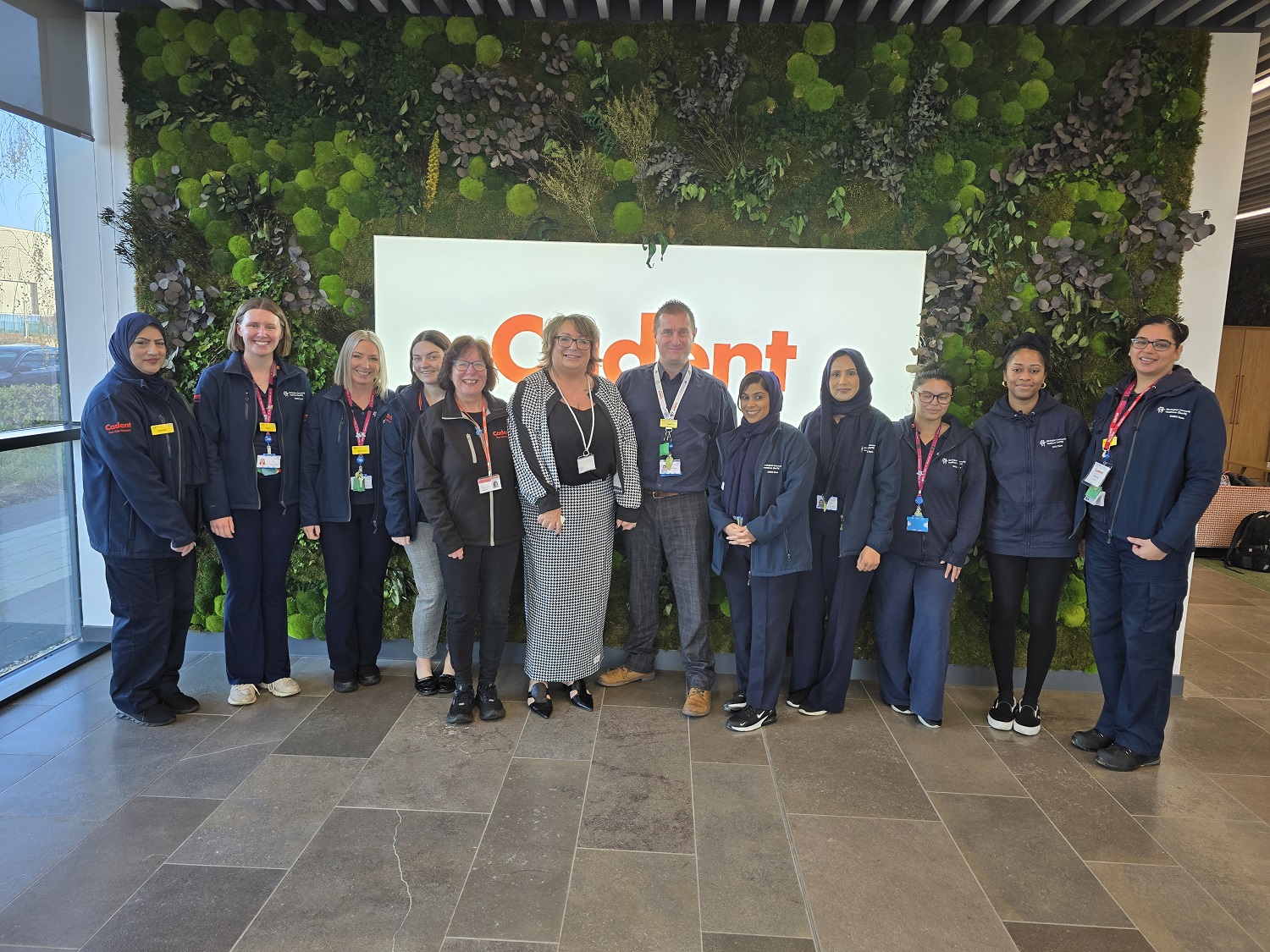
Opening the DAWS to wellbeing
By working in partnership with Cadent, we can help to address health inequalities and the underlying causes of poor health, in which poverty and housing are significant factors. This project will help our most vulnerable patients and users to get the best out of the NHS services that we provide and ultimately, help people live well for longer within their communities.
Suzanne Cleary
Chief Officer for Strategy and Partnerships at Birmingham Community Healthcare NHS Foundation Trust