



Our latest research suggests that almost one in four (23%) private renters are struggling to afford to heat their home every month. Meanwhile, over half of UK private renters would make changes to improve their home’s warmth or comfort if they had complete freedom to do so.
To support renters, we’ve teamed up with YES Energy Solutions to provide advice on low budget, temporary changes that could help renters use less energy and save around £400 a year.
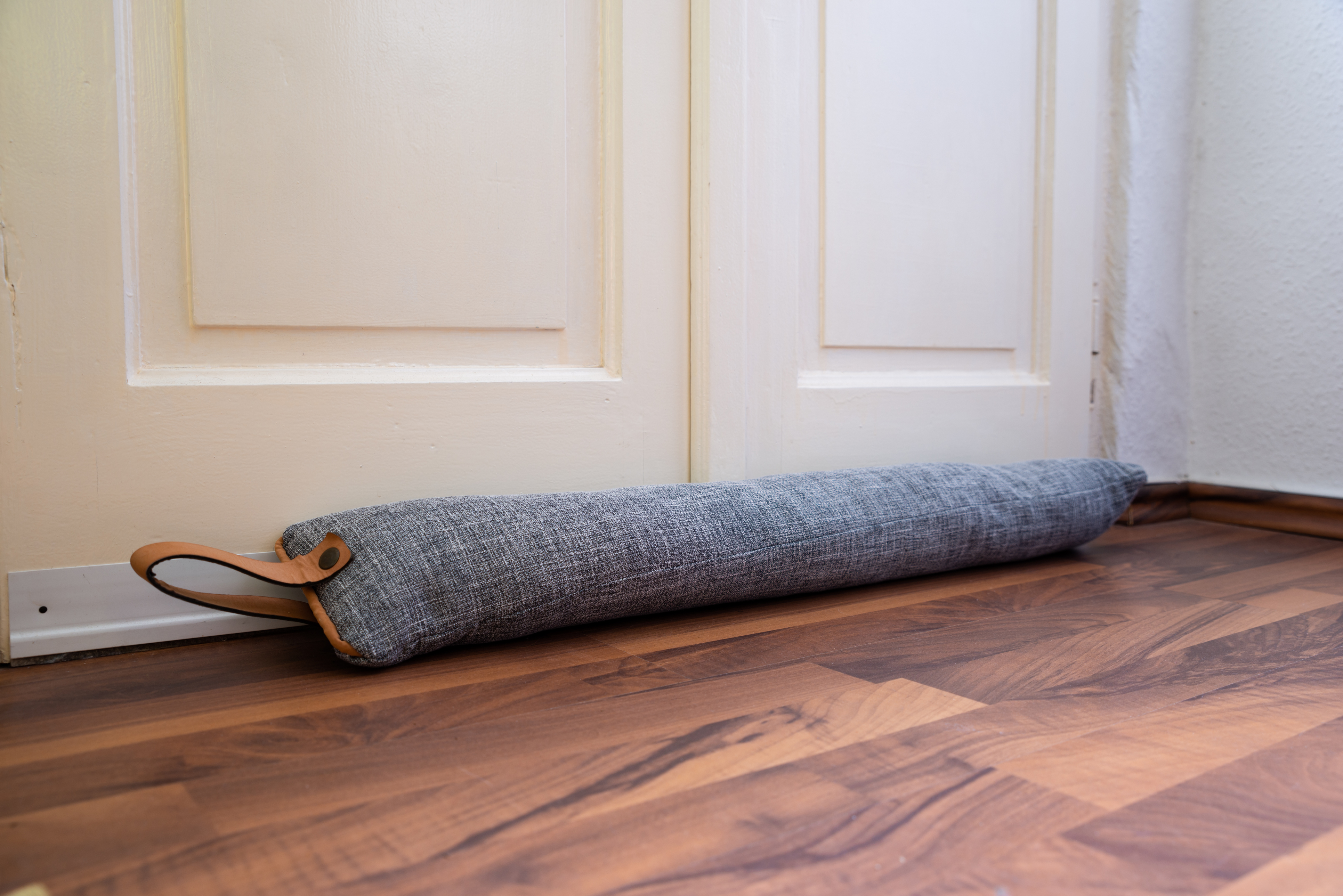
Gaps around windows, doors and floorboards can let warm air escape and cold air to creep in. Draught proofing can help make you warmer without too much upfront cost.
Some options include:
Draught proofing tape is available online and from most DIY shops. We recommend choosing a product suitable for the surface, follow any manufacturer instructions and check it can be removed first without causing damage.
Many options can be fitted yourself, keeping costs down. However, if you’re unsure, a professional can help, but this will cost more.
Finally, it’s essential that you keep ventilation clear. Never block air vents, air bricks, extractor fans or flues. Your property needs ventilation to prevent condensation and mould, as well as keep your home safe.
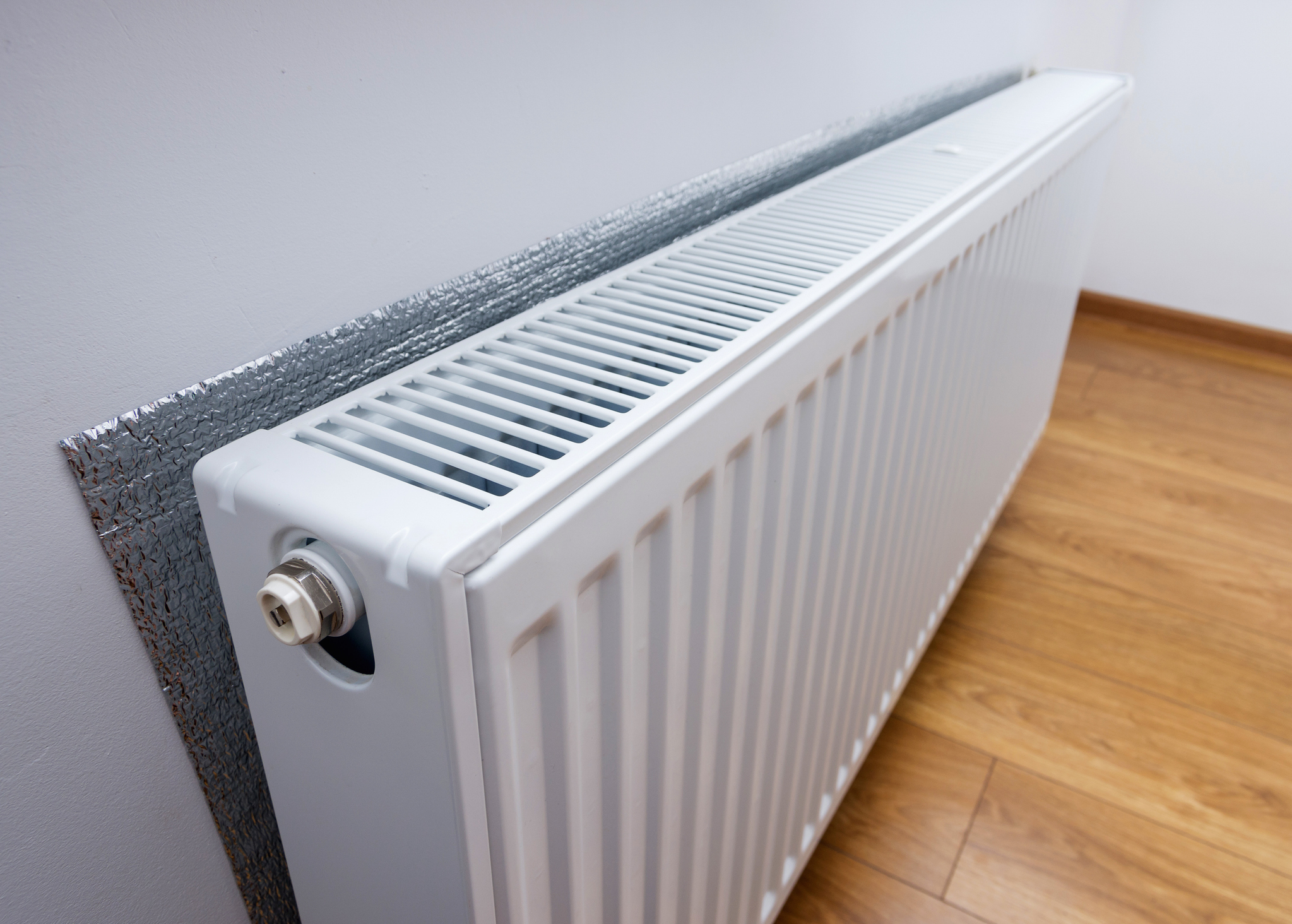
Reflective radiator panels sit behind your radiators and help reflect heat back into the room, rather than letting it escape through the walls.
Simple to install and relatively inexpensive, they are available at most DIY shops and can save you up to £25 a year on your energy bills per panel. Again, check the product is suitable for your home and follow the installation instructions.

Replacing older light bulbs with energy efficient LEDs can help cut your electricity use. LEDs last longer than traditional bulbs, so you won’t need to replace them as often.
To keep costs down, there’s no need to change every bulb at once. Start with one room, prioritise the lights you use most or switch to LEDs when your existing bulbs stop working.

Small changes to your everyday routine can make a difference, without making changes to the property itself.
Annual bill savings are based on a semi-detached three-bedroom house.