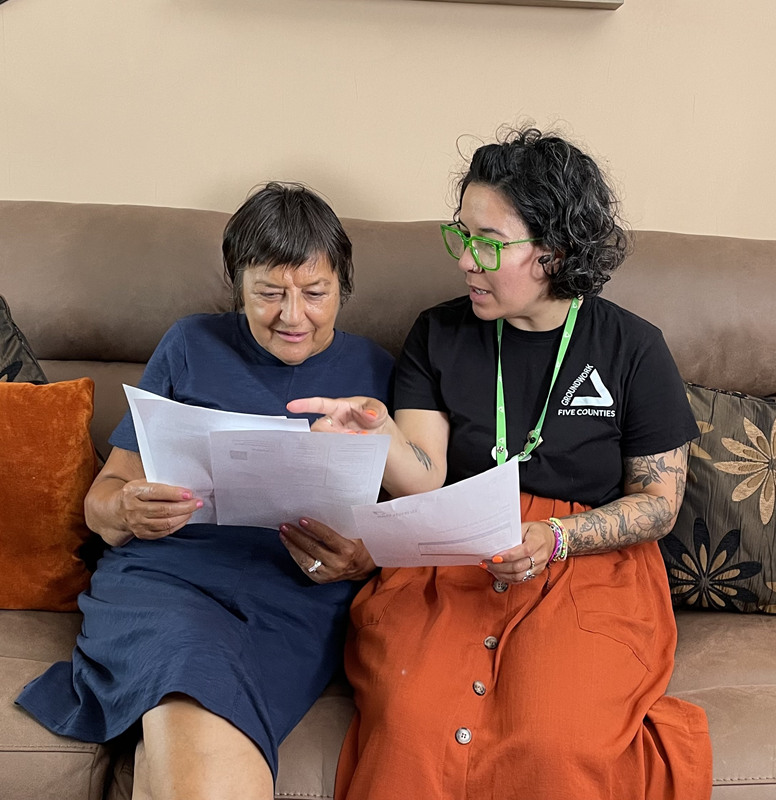
Groundwork's Green Doctors work directly with households across the country to help reduce energy costs, build confidence around managing energy bills and boost their everyday health and wellbeing.
The free support includes in-home energy advice, installing simple energy-saving measures, helping tackle issues such as damp, mould and condensation, and providing guidance on everything from fuel debt to energy tariffs.
One of the most important things households can do ahead of energy bills rising again is to understand what type of tariff they’re on and whether it still suits their needs.
For example, a fixed tariff locks in your energy price, giving you certainty and making budgeting easier. However, if energy prices fall, you won’t benefit from those lower costs and could end up paying more than someone on a variable tariff.
A standard variable tariff, on the other hand, rises and falls with changes in the energy market. While this can mean savings when prices drop, it can also make it harder to predict monthly bills and budget accordingly.
The way your tariff is structured can also make a difference. A flat-rate tariff charges the same amount no matter when you use energy, while a dual-rate tariff charges different prices depending on the time of day.
Dual-rate tariffs can work well for households that use a lot of electricity overnight or during off-peak hours, like people who work night shifts. However, if most energy is used during the daytime, this type of tariff may end up costing more.
How you choose to pay your energy bill can affect costs too.
For many people, direct debit is often the cheapest option and can sometimes unlock exclusive deals from suppliers. Payments are also spread across the year based on estimated usage, which means amounts may be adjusted if actual energy use is higher or lower than expected.
Some households prefer to pay when they receive their bill, either monthly or quarterly. This means paying only for the energy that has actually been used, particularly when regular meter readings are provided. However, these payment methods are often more expensive than direct debit and can require careful budgeting, especially during winter when energy use tends to increase.
Groundwork is also encouraging people to look at their annual energy usage figures, measured in kilowatt hours (kWh).
According to Ofgem, an average household of two to three people living in a three-bedroom home uses around 2,500 kWh of electricity and 9,500 kWh of gas each year. If your usage seems unusually high, it could be worth investigating. Everyday habits such as leaving appliances running unnecessarily or boiling more water than needed in the kettle can all contribute to higher bills.
All advice is dependent on actual energy usage, which varies from household to household and is dependent on factors such as house size, family size, daily habits and preference.
Checking your meter readings regularly is another simple way to stay on top of costs.
Households with smart meters should make sure readings are being recorded correctly and not marked as “estimated”, which could lead to inaccurate or expensive bills. This is particularly important for people on standard variable tariffs, where changes to the energy price cap can directly impact costs throughout the year.
While no single solution works for everyone, understanding how your tariff, payment method and energy use affect your bill can help you make informed choices, take control and avoid paying more than necessary.
Green Doctors also encourage people to focus on simple habits that can improve comfort at home.
Closing curtains and blinds at sunset helps keep warmth in, while adjusting them throughout the day can reduce heat loss through windows. Ventilating your home is equally important for preventing damp and condensation, and opening windows for a short period during the middle of the day can provide fresh airflow without significantly cooling the home.
Together, these small changes can make a noticeable difference over the colder months.
Get Green Doctor support
For anyone who would like more personalised support, Green Doctors can help explain your energy bills in more detail, contact energy suppliers on your behalf and provide tailored advice on switching to a tariff that meets your needs.
Enquire here: Stay Warm, Stay Well - Groundwork